Incident Overview
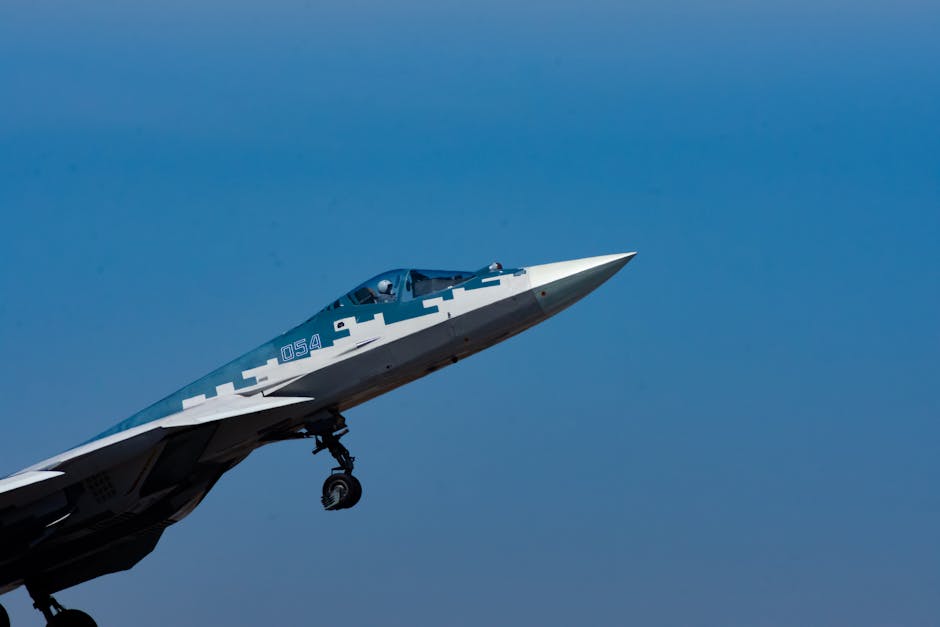
On September 19, 2025, three Russian MiG-31 fighter jets entered Estonian airspace over the Gulf of Finland, remaining there for 12 minutes without permission. This incident has escalated tensions between Russia and NATO member Estonia, with significant implications for regional security.
Details of the Incident
The Estonian Defense Ministry reported that the Russian jets crossed into Estonian airspace at approximately 10:00 AM local time. The incursion was confirmed by Estonian authorities, who stated that the jets did not follow established protocols for entering the airspace. In response, NATO scrambled fighter jets to intercept the Russian aircraft.
NATO Response
NATO's response to the incident demonstrated the alliance's readiness to defend its member states. Estonian Defense Minister Hanno Pevkur stated that NATO's reaction showed that the alliance is prepared to use force if necessary. > "We saw on Friday that NATO is functioning very efficiently... even to the point that if we were truly forced to use the last resort, which is the use of force, then there was a readiness for that as well," he said.
International Reactions
The incident drew condemnation from various countries, with the United States affirming its support for Estonia. The UN Security Council was scheduled to meet to discuss the incident, highlighting the seriousness with which the international community is taking this event.
Background and Context
This incident is part of a pattern of increased Russian military activity near NATO's eastern borders. Recent months have seen multiple instances of Russian aircraft entering the airspace of NATO member states without permission. > "In response to Russia's blatant, reckless, and flagrant violation of @NATO airspace over Estonia on Friday—when armed MiG-31 fighter jets intruded into our territory for 12 minutes—the @UN Security Council will meet," Estonia's representatives stated.
Analysis and Implications
The incident has significant implications for regional security and NATO's defensive posture. The alliance has been working to enhance its air defense capabilities in response to increased Russian military activity. The incident also highlights the importance of maintaining clear communication channels and protocols for military interactions in the region.
Conclusion
The entry of three Russian MiG-31 fighter jets into Estonian airspace for 12 minutes without permission has escalated tensions between Russia and NATO. The incident has drawn a strong response from NATO and the international community, highlighting the seriousness with which such actions are viewed.
Related Developments
In the days following the incident, NATO continued to monitor the situation, with additional aircraft on standby to protect the alliance's eastern flank. The incident has also sparked discussions about the need for increased vigilance and cooperation among NATO member states.
Future Steps
The international community will be watching closely for any further developments in the region. The UN Security Council's meeting on the incident is expected to provide further clarity on the international response to Russia's actions.
Expert Insights
Military experts have noted that the incident highlights the importance of maintaining a strong and unified defensive posture in the face of increased Russian military activity. The incident has also underscored the need for clear communication channels and protocols for military interactions in the region.
Additional Information
The Russian Defense Ministry has disputed Estonia's account of the incident, stating that the jets did not violate Estonian airspace. However, Estonian authorities have confirmed that the jets entered the airspace without permission.
Incident Timeline
- September 19, 2025: Three Russian MiG-31 fighter jets enter Estonian airspace over the Gulf of Finland.
- September 19, 2025: NATO scrambles fighter jets to intercept the Russian aircraft.
- September 20, 2025: Estonian Defense Minister Hanno Pevkur comments on NATO's response to the incident.
- September 21, 2025: UN Security Council scheduled to meet to discuss the incident.
Geopolitical Context
The incident occurs against the backdrop of heightened tensions between Russia and NATO. The alliance has been working to enhance its defensive capabilities in response to increased Russian military activity near its eastern borders.