Incident Details
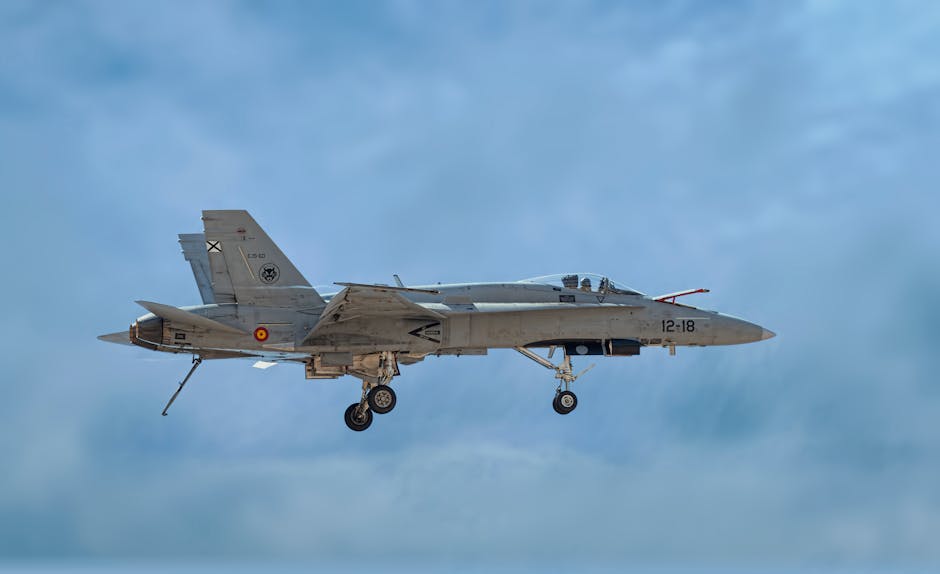
On September 19, three armed Russian MiG-31 jets entered Estonian airspace for over 10 minutes, prompting NATO to scramble allied aircraft in response. This incident led to an emergency meeting of the North Atlantic Council under Article 4 at Estonia's request.
NATO's Response
NATO has pledged a "robust" response to Russia's violations of allied airspace. The organization stated that "Russia bears full responsibility for these actions, which are escalatory, risk miscalculation and endanger lives. They must stop." NATO emphasized its commitment to Article 5, ensuring that it will employ "all necessary military and non-military tools to defend ourselves and deter all threats from all directions."
International Reactions
The incident has drawn significant international attention, with various countries and organizations weighing in on the matter.
Norwegian Airspace Violations
Norway reported that Russia breached its airspace on three occasions this year, marking the first such incidents in over a decade. Prime Minister Jonas Gahr Støre noted that while these incidents were "less extensive than violations against Estonia, Poland and Romania, both in terms of location and duration," they were taken very seriously.
UK and US Positions
The UK Foreign Secretary, Yvette Cooper, addressed the UN Security Council, stating that Russia's actions risk direct armed confrontation with NATO. The US also expressed concerns, with a focus on the need for NATO to defend its airspace.
Expert Insights
Implications and Context
The recent airspace violations by Russia have significant implications for regional security and international relations. These actions have been widely condemned as escalatory and reckless.
Article 5 Commitment
NATO's commitment to Article 5 of the North Atlantic Treaty means that an attack against one member state is considered an attack against all. This commitment underpins the alliance's collective defense posture.
Conclusion
The situation remains tense as NATO and its member states navigate the complexities of responding to Russian actions. The international community continues to watch developments closely, with many calling for de-escalation.
Future Developments
As the situation continues to evolve, it is likely that further responses and reactions will emerge from NATO and its allies. The international community remains vigilant, seeking to understand the full implications of these airspace violations.