Incident Details
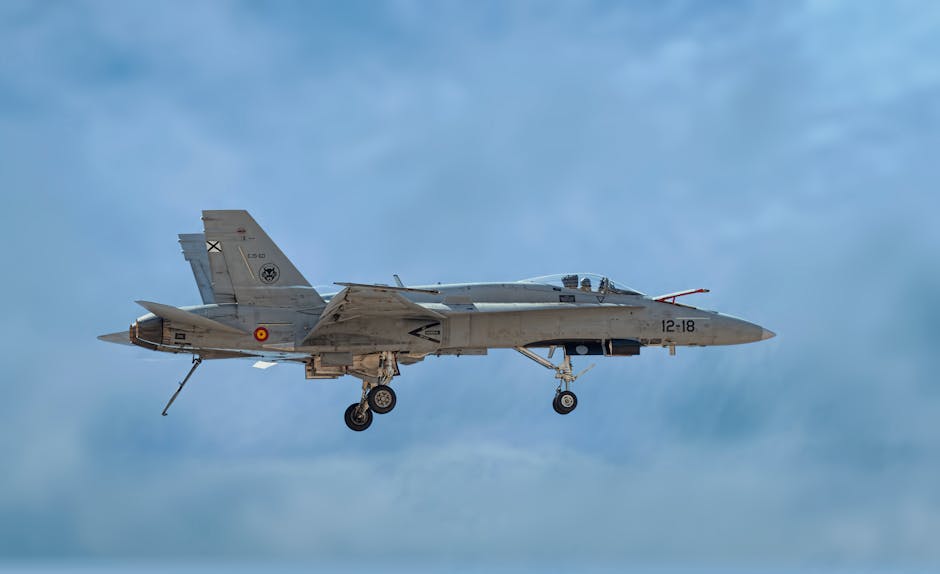
On September 19, 2025, three Russian MiG-31 fighter jets entered Estonian airspace over the Gulf of Finland and remained there for approximately 12 minutes. This incident prompted a response from NATO, with Italian F-35 jets scrambling to intercept the Russian aircraft.
Estonian Government Response
The Estonian Foreign Ministry swiftly condemned the action, characterizing it as a breach of international law and a violation of Estonia's sovereignty. The ministry announced that Estonia would request an emergency meeting of the UN Security Council to address the incident.
UN Security Council Meeting
The UN Security Council convened on September 22, 2025, in response to Estonia's request. Estonian Foreign Minister Margus Tsahkna emphasized that the violation by a permanent member of the Security Council must be addressed by the body. Tsahkna stated:
NATO's Response
NATO has been increasingly active in the region, with multiple incidents occurring in recent weeks. On September 9-10, 2025, over 20 Russian drones entered Polish airspace, prompting NATO jets to engage and down some of them. This series of incidents has raised concerns about Russia's intentions and NATO's readiness.
Recent Incidents
In addition to the Estonian airspace violation, there have been other notable incidents:
- On September 21, 2025, two German Eurofighter jets were scrambled in response to a Russian Il-20 reconnaissance aircraft flying over the Baltic Sea.
- The incidents follow Russia's "Zapad-2025" joint military exercises with Belarus, which included rehearsals for the launch of Russian nuclear weapons.
Implications and Background
These actions have contributed to heightened tensions in the Baltic Sea region and have drawn attention from global leaders. The incidents have occurred against the backdrop of ongoing conflict in Ukraine and have raised questions about Russia's strategy and NATO's response.
Expert Insights
While experts have noted that Russia's actions appear to be deliberate tests of NATO's capabilities and resolve, there have been no official statements from Russian authorities claiming the incidents were mistakes or accidents.
Conclusion
The violation of Estonian airspace by Russian jets and the subsequent NATO response and UN Security Council meeting highlight the ongoing tensions in the region. The international community continues to monitor developments closely, with many calling for de-escalation and a return to diplomatic channels.
Future Developments
As the situation continues to evolve, further actions and responses from both Russia and NATO are likely. The international community remains vigilant, emphasizing the need for clear communication and restraint to prevent further escalation.