Overview of the Recognition
The United Kingdom has officially recognized the state of Palestine, marking a significant change in its foreign policy stance on the Middle East conflict. This move was announced by Prime Minister Keir Starmer, who emphasized that the decision is part of a broader effort to revive momentum for a two-state solution to the Israeli-Palestinian conflict.
Context and Background
The recognition of Palestinian statehood has been a longstanding issue in international diplomacy. Several countries have already recognized Palestine as a state, and this move by the UK is seen as a symbolic yet significant step. The decision comes amid mounting pressure on the UK government from within the Labour party and from various international actors.
Historical Context
Historically, the UK has been involved in the Middle East peace process, and this recognition is a continuation of its efforts to find a lasting solution to the conflict. The two-state solution, which envisions an independent Palestinian state alongside the state of Israel, has been a cornerstone of international diplomacy in the region.
Implications of the Recognition
The recognition of Palestine as a state is expected to have several implications, both domestically and internationally. In the UK, the move has sparked mixed reactions, with some welcoming it as a step towards peace and others criticizing it as premature.
International Reactions
Internationally, the reaction has been varied. Some countries have welcomed the UK's decision, seeing it as a positive step towards achieving a two-state solution. Others, including Israel, have expressed concerns about the implications of this recognition.
Analysis and Expert Opinions
The recognition is not without its challenges. The move is seen as a departure from previous UK policy, which had been more ambiguous on the issue of Palestinian statehood.
Potential Impact on Peace Process
The potential impact of this recognition on the peace process is a subject of debate. Some experts argue that it could help to galvanize support for a two-state solution, while others see it as a largely symbolic gesture that may not lead to immediate changes on the ground.
Government Statements and Reactions
The UK government has stated that the recognition of Palestine as a state is not a reward for Hamas, the Palestinian Islamist group that has been involved in the conflict with Israel. The government emphasizes that the move is part of a broader strategy to support a peaceful resolution to the conflict.
Public Reaction
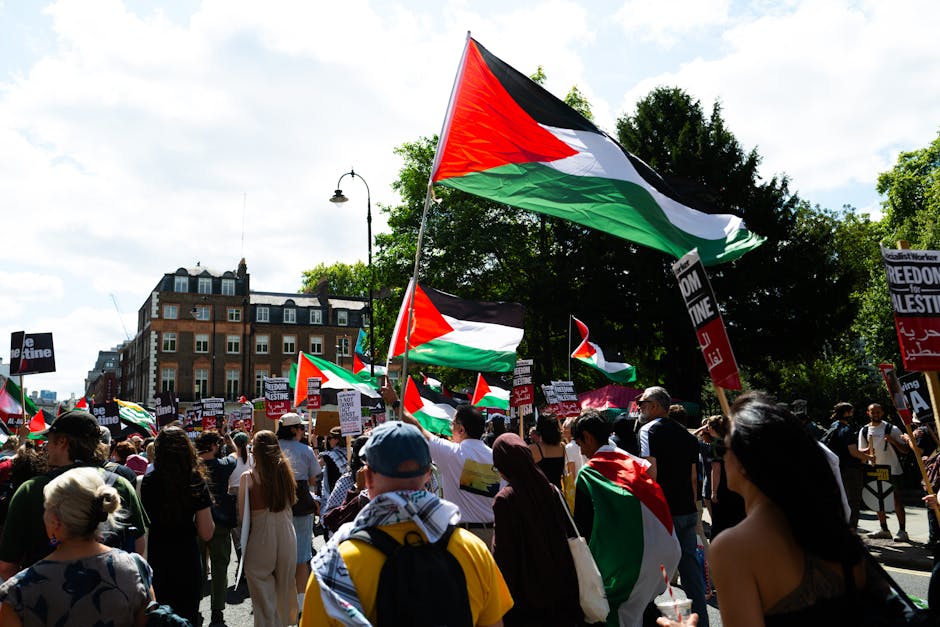
Public reactions in the UK and elsewhere have been mixed. Some have welcomed the decision as a step towards justice and recognition for the Palestinian people, while others have expressed concerns about the potential implications for Israel and the peace process.
Future Developments
The recognition of Palestine as a state by the UK is likely to lead to further developments in the region. Other countries may follow suit, and the move could potentially influence international negotiations on the Israeli-Palestinian conflict.
Role of International Community
The role of the international community in supporting a two-state solution will be crucial in the coming months and years. The recognition by the UK and other countries could help to build momentum for a negotiated settlement.
Conclusion
The UK's recognition of Palestine as a state marks a significant shift in its foreign policy and is a notable development in the international effort to resolve the Israeli-Palestinian conflict. The implications of this move will be closely watched, and its impact on the peace process will be a subject of ongoing analysis and debate.
Detailed Analysis of Possible Outcomes
Short-Term Implications
In the short term, the recognition of Palestine as a state is likely to lead to increased diplomatic efforts to support a two-state solution. This could include renewed negotiations between Israeli and Palestinian leaders, as well as increased involvement from international mediators.
Long-Term Implications
In the long term, the recognition of Palestine as a state could have significant implications for the Middle East peace process. It could help to establish a framework for a negotiated settlement and provide a basis for future diplomatic efforts.
Examination of Related Policies
Previous UK Policy
The UK's previous policy on Palestinian statehood was more ambiguous. The current government's decision to recognize Palestine as a state represents a significant departure from this approach.
International Comparisons
The UK's recognition of Palestine as a state follows similar moves by other countries. This trend reflects a growing international consensus on the need for a two-state solution to the Israeli-Palestinian conflict.
Expert Insights
Diplomatic Perspective
From a diplomatic perspective, the recognition of Palestine as a state is seen as a positive step towards achieving a negotiated settlement. It demonstrates a commitment to finding a peaceful solution to the conflict and provides a boost to Palestinian aspirations for statehood.
Legal Perspective
From a legal perspective, the recognition of Palestine as a state raises important questions about the status of Palestine under international law. This includes issues related to state sovereignty, territorial integrity, and the rights of the Palestinian people.
Conclusion and Summary
In conclusion, the UK's recognition of Palestine as a state is a significant development in the international effort to resolve the Israeli-Palestinian conflict. The implications of this move will be closely watched, and its impact on the peace process will be a subject of ongoing analysis and debate. The recognition reflects a growing international consensus on the need for a two-state solution and demonstrates a commitment to finding a peaceful solution to the conflict.