Background and Recent Incidents
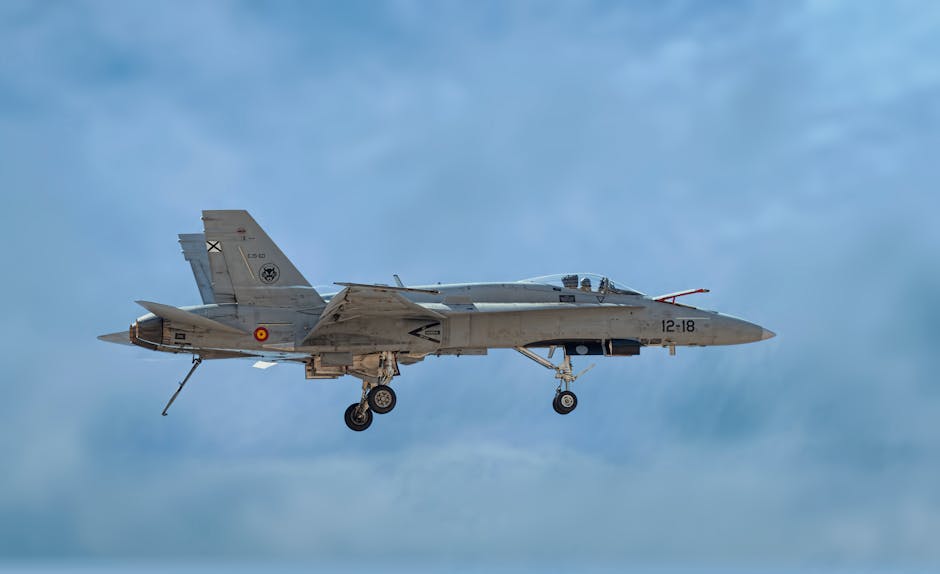
On September 19, three Russian MiG-31 fighters briefly entered Estonian airspace and remained there for about 12 minutes. This incident prompted Estonia to invoke NATO's Article 4, requesting consultations with allies regarding the escalated situation.
Details of the Incident
The entry of Russian jets into Estonian airspace occurred amid rising tensions in the region. Earlier, on September 10, roughly 20 Russian drones entered Polish airspace during an attack on Ukraine, with some intercepted by NATO aircraft for the first time.
International Reactions and Statements
U.S. President Donald Trump stated that he would help defend Poland and the Baltic nations if Russia continues to escalate. When reporters asked whether the United States would back its allies in such a case, he replied, "Yeah, I would. I would." Trump also warned of "big trouble" after the incident.
European Commission's Stance
European Commission President Ursula von der Leyen expressed her belief that the world is not heading towards World War III but acknowledged that the current times are very dangerous. She emphasized the need for Europe to strengthen its defense capabilities to preserve peace and freedom.
Implications and Current Situation
The incidents have raised concerns about the security situation in the region. Poland has expressed a need for Ukrainian drone expertise to bolster its defenses against potential Russian aggression. The situation remains tense, with NATO allies closely monitoring developments.
Expert Insights
Conclusion and Ongoing Developments
The situation continues to unfold, with international leaders closely watching the developments. The incidents have highlighted the fragile security environment in the region and the need for continued diplomatic and military engagement to prevent further escalation.
The article provides a factual account of the recent incidents and the responses from international leaders, without speculating on future developments or taking a biased stance.