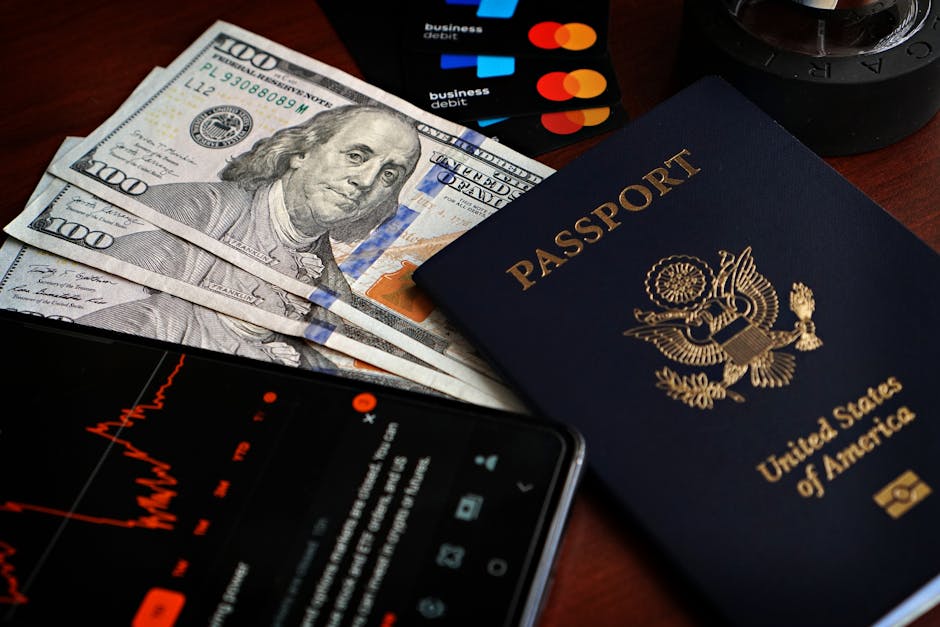
Overview of New Visa Policies
On September 19, 2025, the US administration announced two significant changes to its visa policies. Firstly, a new 'Gold Card' visa program was introduced, offering a fast-track pathway to US residency for wealthy foreigners willing to invest $1 million. This program aims to attract high-net-worth individuals and is expected to initially make 80,000 gold cards available.
Details of the Gold Card Visa Program
The Gold Card visa program is designed to replace the current EB-1 and EB-2 visa programs for individuals of 'exceptional value' to the United States. According to Commerce Secretary Howard Lutnick, the program will help deter illicit funds and ensure that the US only attracts the 'very top' tier of global talent.
Introduction of $100,000 Fee for H-1B Visas
In conjunction with the Gold Card program, the administration also unveiled a new $100,000 fee for H-1B visas, which are meant for high-skilled jobs that tech companies find hard to fill. This fee will be levied per petition and will not be applied to existing holders of valid visas re-entering the country.
Clarification on the Fee for Existing Visa Holders
Following confusion and criticism, the White House clarified that the new $100,000 fee will not apply to existing H-1B visa holders who are currently outside of the country and will not be charged to re-enter the United States. The fee is a one-time payment that applies only to new petitioners.
Implications and Reactions
The introduction of these new policies has significant implications for both wealthy immigrants and tech companies that rely heavily on H-1B visas. The policies are part of a broader effort by the administration to overhaul the US immigration system, with a focus on attracting high-skilled workers and deterring illicit funds.
Expert Insights
Background and Context
The US has long been a destination for immigrants seeking new opportunities, with various visa programs in place to attract talent from around the world. The H-1B visa program, in particular, has been a crucial pathway for tech companies to hire skilled workers from abroad. However, the program has also faced criticism and controversy over the years, with some arguing that it is being exploited by companies to bring in cheap labor.
Conclusion
The introduction of the Gold Card visa program and the $100,000 fee for H-1B visas represents a significant shift in US immigration policy. While the policies aim to attract high-net-worth individuals and high-skilled workers, they also raise questions about the impact on existing visa holders and the broader tech industry.
Future Developments
As these new policies take effect, it remains to be seen how they will be implemented and what impact they will have on the US immigration landscape. The administration has indicated that it will continue to evaluate and refine the policies as needed.
Detailed Analysis of Policy Changes
The Gold Card visa program and the $100,000 fee for H-1B visas are part of a broader effort to reform the US immigration system. The policies are designed to attract high-skilled workers and deter illicit funds, while also pressuring companies to train American workers for high-skilled jobs.
Impact on Tech Companies
The new fee for H-1B visas is expected to have a significant impact on tech companies that rely heavily on these visas to hire skilled workers from abroad. The fee is likely to increase the costs for these companies, which may lead to changes in their hiring practices and business models.
Impact on Existing Visa Holders
The clarification on the fee for existing visa holders has helped to alleviate some of the confusion and uncertainty surrounding the new policies. However, the impact of the policies on existing visa holders is still being closely watched, particularly in terms of how the changes may affect their ability to re-enter the US.
Conclusion and Next Steps
The introduction of the Gold Card visa program and the $100,000 fee for H-1B visas represents a significant shift in US immigration policy. As the policies take effect, it is essential to continue monitoring their impact and implementation, particularly in terms of how they affect existing visa holders, tech companies, and the broader US immigration landscape.